Safety Valves
- Home
- / Products
- / Valves
- / Safety Valves
Navjivan Valve
Safety Valves
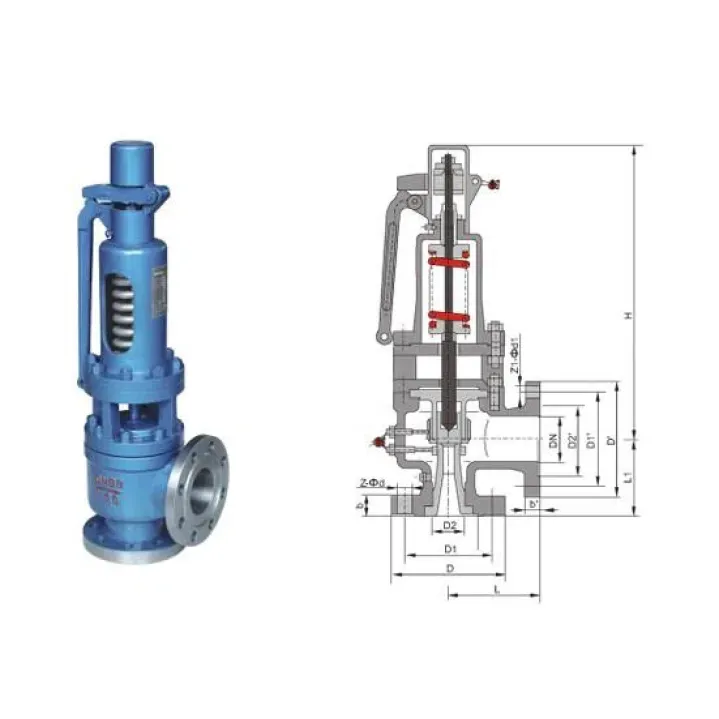
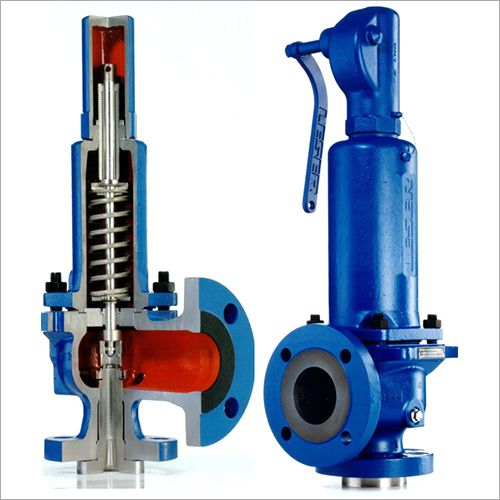
Our Safety Valve is an essential component designed to protect equipment and personnel by automatically releasing excess pressure from a system. Engineered with precision and crafted from high-quality materials, our Safety Valve ensures reliable overpressure protection in various industrial applications. The primary function of a safety valve is to automatically release excess pressure from a system to prevent damage or failure. When the pressure inside the system exceeds a predetermined set point, the safety valve opens, allowing the fluid (gas or liquid) to escape until the pressure drops to a safe level.
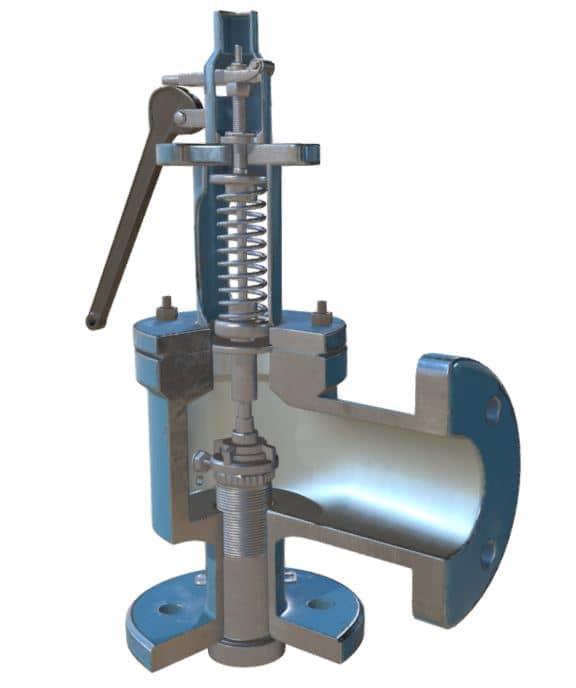
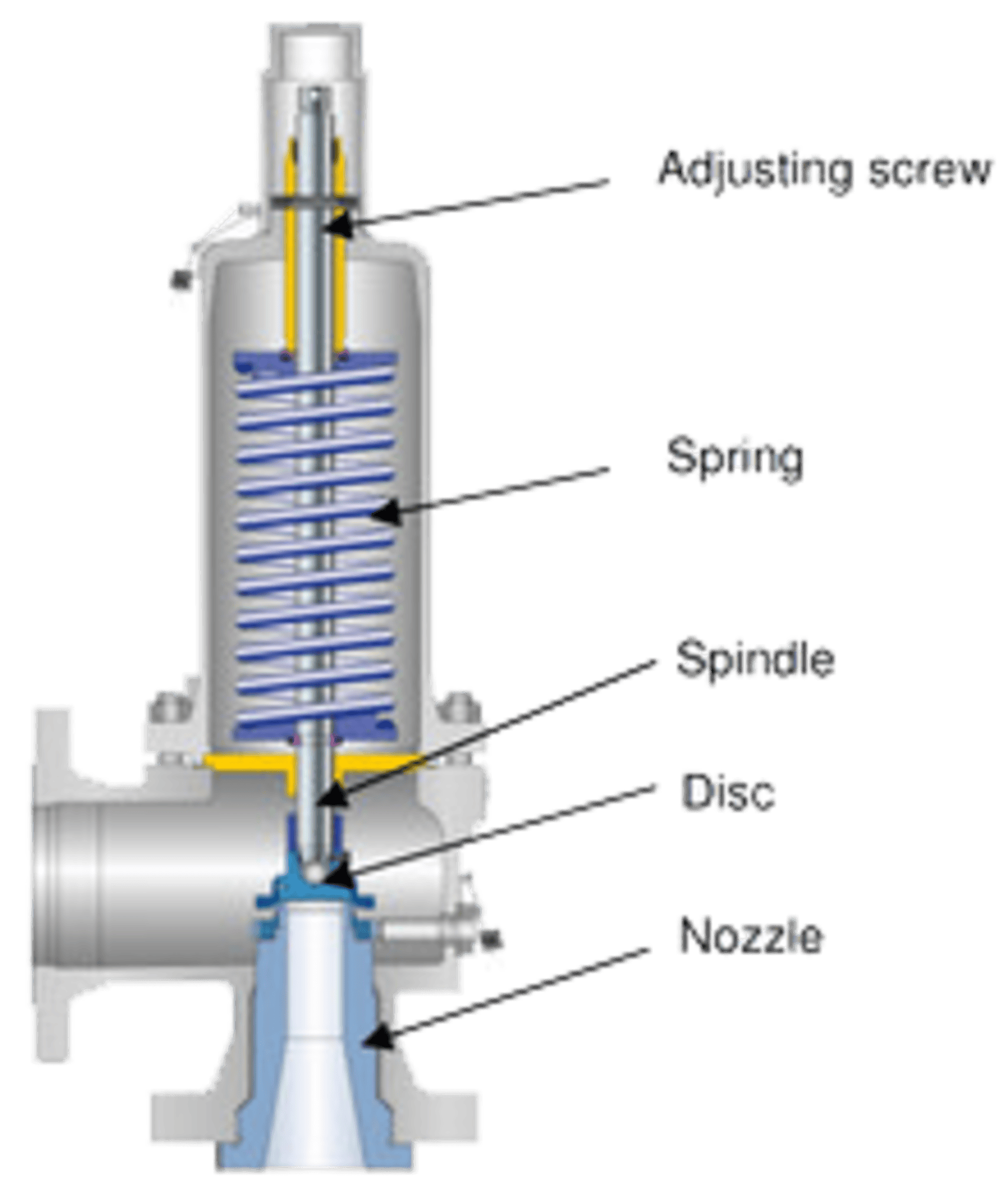
Safety valves come in various designs, but they typically consist of a valve mechanism, a spring or weight-loaded mechanism, and a discharge outlet. The valve mechanism is typically a poppet or disc that seals against a seat. When the pressure exceeds the set point, this valve mechanism lifts off the seat to allow flow. The set pressure of a safety valve is the pressure at which it opens and starts relieving excess pressure. This pressure is predetermined based on the design specifications and the requirements of the system it protects. Set pressures are carefully calibrated during installation or maintenance to ensure proper operation.
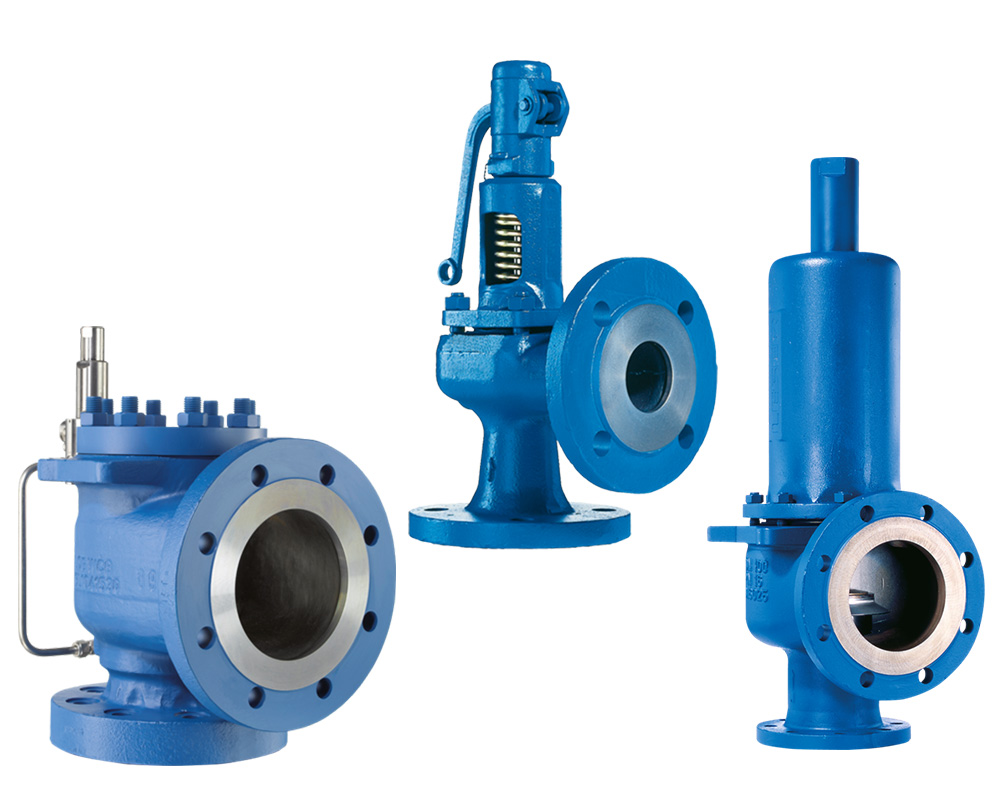
There are four main types of Safety Valve :
- Spring-Loaded Safety Valve
- Pilot-Operated Safety Valve
- Weight-Loaded Safety Valve
- Balanced Safety Valve
Applications:
• Oil and gas refining
• Chemical processing
• Power generation
• Pharmaceutical manufacturing
• Food and beverage production
• HVAC systems
• Steam boilers and pressure vessels
Maintenance:
Regular inspection, testing, and maintenance are essential to ensure the proper functioning of safety valves. Maintenance procedures typically include cleaning, lubrication, and calibration to maintain performance and reliability.


Advantages:
Set Pressure: Each safety valve is calibrated to open at a specific set pressure. This characteristic allows for precise control over when the valve activates, ensuring that pressure relief occurs at the appropriate threshold to maintain system integrity.
Overpressure Protection: Safety valves provide a crucial layer of protection against overpressure events, safeguarding equipment, personnel, and the environment from the risks associated with excessive pressure buildup.
High Flow Capacity:Safety valves are engineered to handle high flow rates to quickly and effectively relieve pressure from the system. This characteristic ensures rapid pressure relief, minimizing the duration of overpressure events and reducing the likelihood of equipment damage.
Reliability: Safety valves are designed for reliable performance, with mechanisms that consistently respond to changes in pressure to initiate pressure relief. This characteristic ensures that the valve operates predictably and effectively, even under demanding operating conditions.
Durability: Safety valves are constructed from materials that are resistant to corrosion, erosion, and wear, ensuring long-term durability and reliability in harsh environments. This characteristic helps to maintain the integrity of the valve and prolong its service life.
Adjustability:Many safety valves feature adjustable set pressures, allowing for customization to suit the specific requirements of the system they protect. This characteristic provides flexibility and versatility in application, accommodating varying operating conditions and pressure ranges.
Compliance: Safety valves are designed and manufactured in accordance with industry standards and regulations to ensure their compliance with safety requirements. This characteristic ensures that the valve meets established performance criteria and undergoes rigorous testing to validate its functionality.
Monitoring and Maintenance: Some safety valves may include features for monitoring valve status and performance, facilitating proactive maintenance and troubleshooting efforts. This characteristic enhances operational visibility and helps ensure that the valve remains in optimal condition.
Compatibility: Safety valves are compatible with a wide range of fluids, including gases, liquids, and steam. This characteristic allows them to be used in diverse applications across various industries while maintaining effective pressure relief capabilities.
Standards and Regulations
Safety valves must comply with various industry standards and regulations, including ASME (American Society of Mechanical Engineers) standards, API (American Petroleum Institute) standards, and others, depending on the application and location.
Need a Custom Valve Solution ?
We Build Solutions as Unique as Your Operations. Every project has its demands, and at Navjivan Valves, we specialize in delivering tailored flow control solutions that match your exact requirements.
What Our Clients Say
Trusted Worldwide. Proven Performance.
At I.S.ENGINEERING CO., we take pride in building long-term relationships with our clients by consistently delivering quality, reliability, and service. Here’s what our customers have to say:
I.S.ENGINEERING CO. has consistently supplied us with premium-quality flanges and fittings for our industrial projects. Their product quality, timely delivery, and professional support make them a trusted partner.
The pipe fittings supplied by I.S.ENGINEERING CO. are highly durable and precisely manufactured. Their team is knowledgeable and always ready to assist with technical requirements.
We have been sourcing stainless steel flanges and pipes from I.S.ENGINEERING CO. for several years. Their commitment to quality and customer satisfaction is truly commendable.
Excellent service and reliable products. The flanges and industrial fittings we received matched all required specifications and were delivered on schedule.
I.S.ENGINEERING CO. stands out for its premium flange manufacturing and dependable customer support. Their products have helped improve the efficiency of our plant operations.